September 10, 2026
Land development often begins long before construction crews arrive. Overgrown vegetation, fallen trees, dense brush, invasive species, and accumulated debris can make a property difficult to access and prevent planned improvements from moving forward. Professional land clearing addresses these obstacles while creating a more usable and manageable site.
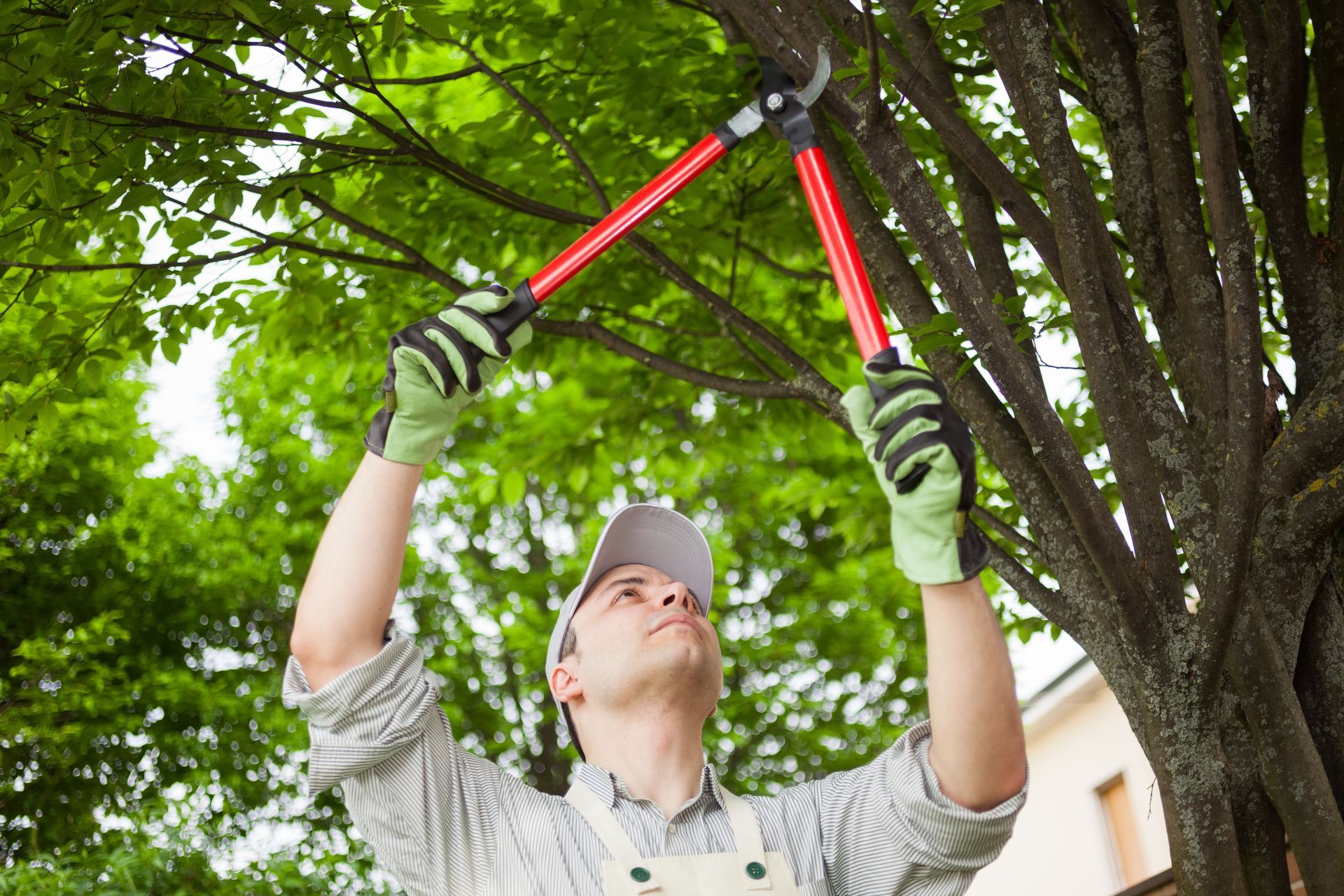
Working with a local arborist can also help property owners approach clearing with the condition of the surrounding landscape in mind. Rather than simply removing everything from a designated area, experienced professionals can evaluate vegetation, terrain, access points, and potential hazards before determining how the property should be cleared. This careful approach can help establish an appropriate foundation for construction, agriculture, restoration, or other improvements.
Establishing a Clear Foundation for Development
Removing Vegetation That Limits Access
Dense vegetation can make it difficult for people, vehicles, and construction equipment to reach portions of a property. Thick brush, fallen branches, and unwanted trees may conceal potential access routes while making the terrain harder to evaluate. An arborist can assess the vegetation and determine which growth should be removed to create safer and more practical pathways. Clearing these obstacles can make it easier to establish construction access, identify usable portions of the property, and plan the next stages of development.
The amount of time required for clearing depends on factors such as terrain, vegetation density, property size, and the scope of the project. According to Lawn Love, professionals can typically clear an acre in about two to four hours when working on lightly forested terrain. More heavily wooded or challenging properties can require additional preparation and specialized equipment, making an individualized assessment important before work begins.
Creating Usable Property Space
Land that is covered by unmanaged growth may have considerably less practical value than its size suggests. Removing dense underbrush, unwanted vegetation, and selected trees can open areas for structures, driveways, agricultural uses, recreational spaces, or other improvements. A local arborist can help identify opportunities to improve usability while considering existing trees and other landscape features that may be worth preserving.
Professional clearing can also make property boundaries easier to identify. Thick vegetation frequently obscures fences, markers, easements, and other important features that influence development plans. Once these areas are accessible and visible, property owners can make better-informed decisions about how available space can be used and where future improvements should be located.
Addressing Trees and Debris Safely
Large trees, damaged timber, and heavy debris can present serious challenges during site preparation. Attempting to remove them without the appropriate training or equipment can increase the possibility of property damage or personal injury. An arborist has specialized knowledge of tree structure and can determine appropriate methods for dismantling and removing difficult vegetation.
Professional crews may use equipment such as cranes, spider lifts, and grapple saw trucks when site conditions call for additional reach or lifting capability. These tools can help crews manage large or unstable trees while limiting unnecessary disruption to nearby areas. Proper removal also helps prevent remaining debris from interfering with construction activities.
Preparing the Property for Its Intended Use
Improving Conditions for Construction
Construction projects generally require a site that can accommodate workers, equipment, materials, and new structures. Trees and brush that interfere with these requirements can slow preparation and make access more complicated. A local arborist can clear designated areas according to the property's development plans, helping establish the open space necessary for construction activities.
Clearing can be particularly important when a project involves previously unmanaged land. Removing vegetation exposes the terrain so contractors and property owners can better evaluate grading needs, access routes, drainage concerns, and other site conditions. Completing this work before construction begins can help reduce avoidable obstacles once the building phase is underway.
Preparing Agricultural Land
Land clearing is not limited to residential and commercial development. Property owners preparing land for agricultural use may also need to remove fallen trees, dense brush, stumps, and accumulated vegetation before planting or establishing grazing areas. A local arborist can help address these obstacles while taking the condition of the soil and surrounding vegetation into consideration.
A properly prepared agricultural lot provides more practical space for planting, equipment movement, and maintenance. Removing unwanted growth can also make it easier to establish defined fields and access routes. By completing necessary clearing before agricultural activities begin, property owners can make the land more functional and easier to manage.
Managing Invasive and Unwanted Growth
Invasive species and aggressive vegetation can spread through unmanaged portions of a property, crowding out desirable plants and making future maintenance more difficult. Simply cutting visible growth may not address the underlying problem if vegetation can readily regenerate. Professional clearing allows the affected areas to be evaluated and managed according to the property's specific conditions.
A local arborist can distinguish between vegetation that should be removed and trees or plants that may contribute value to the landscape. This distinction is particularly important when development plans do not require every existing tree to be eliminated. Selective clearing can help create the space needed for a project while retaining appropriate vegetation around the areas being developed.
Improving Safety and Long-Term Property Management
Reducing Potential Fire Hazards
Dead branches, fallen trees, dry brush, and accumulated vegetation can provide combustible material around a property. Large amounts of unmanaged debris may increase concerns during periods of dry weather, particularly when it accumulates near structures or limits access. Clearing this material can reduce the amount of fuel present on the property and create more open areas.
Professional land clearing can also improve access for emergency vehicles by establishing or maintaining clear pathways. A local arborist can evaluate areas where vegetation interferes with access and recommend clearing strategies that support safer property management. Addressing these concerns before an emergency occurs can be an important part of responsible land preparation.
Clearing Storm-Damaged Areas
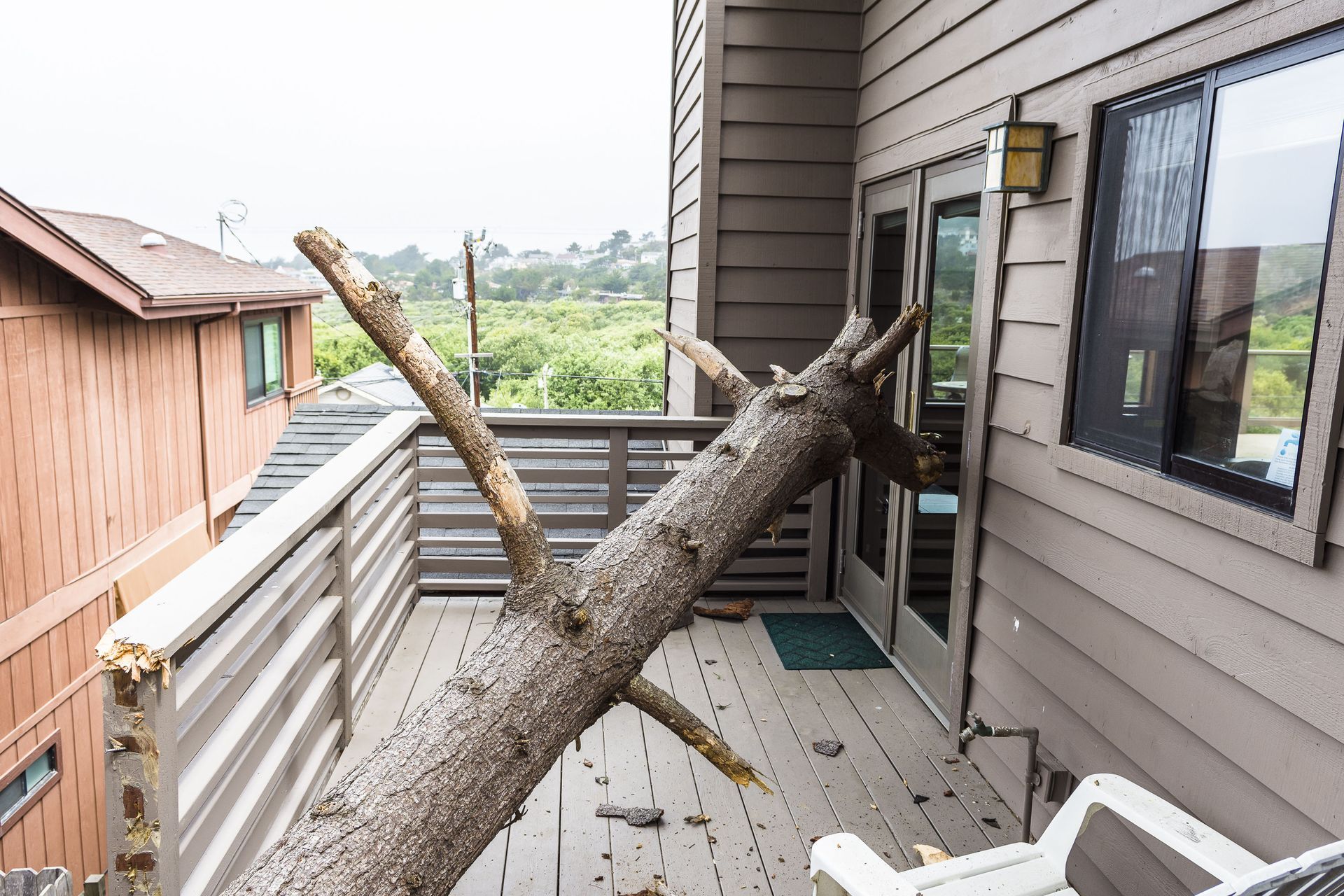
Severe weather can leave properties with uprooted trees, broken limbs, and scattered debris. Damaged trees may remain unstable even after a storm has passed, creating hazards for people and structures while making parts of the property difficult to navigate. Prompt clearing can restore access and remove materials that could create additional problems.
A local arborist can evaluate storm-damaged trees and determine how compromised vegetation should be dismantled and removed. Specialized lifting and cutting equipment can be particularly useful when large trees have fallen in confined areas or near structures. Emergency clearing can help property owners regain safe access while allowing planned development or restoration work to continue.
Supporting a More Manageable Property
Clearing can provide benefits that extend beyond the immediate development project. Removing excessive vegetation can make mowing, landscaping, inspections, maintenance, and future improvements easier to manage. It can also improve visibility across the property, helping owners identify drainage concerns, damaged trees, boundary markers, and other conditions that may otherwise remain hidden.
The right approach depends on what the property owner ultimately wants to accomplish. A local arborist can assess the site and develop a clearing strategy around those objectives rather than treating every property the same way. Professional experience, specialized equipment, licensing, insurance, and knowledge of local requirements can all contribute to a more organized clearing process.
Land clearing can transform difficult or inaccessible portions of a property into space that is ready for construction, agriculture, restoration, or other planned improvements. Removing unwanted vegetation and hazardous debris also creates opportunities to address access, safety, drainage, and property management concerns before larger projects begin.
When the work is planned carefully, clearing does more than create an empty site. It establishes a practical starting point for the property's next stage while accounting for existing landscape conditions. Contact Alpine Tree Service Inc to discuss your property and determine how professional land clearing can help prepare it for development.