September 18, 2026
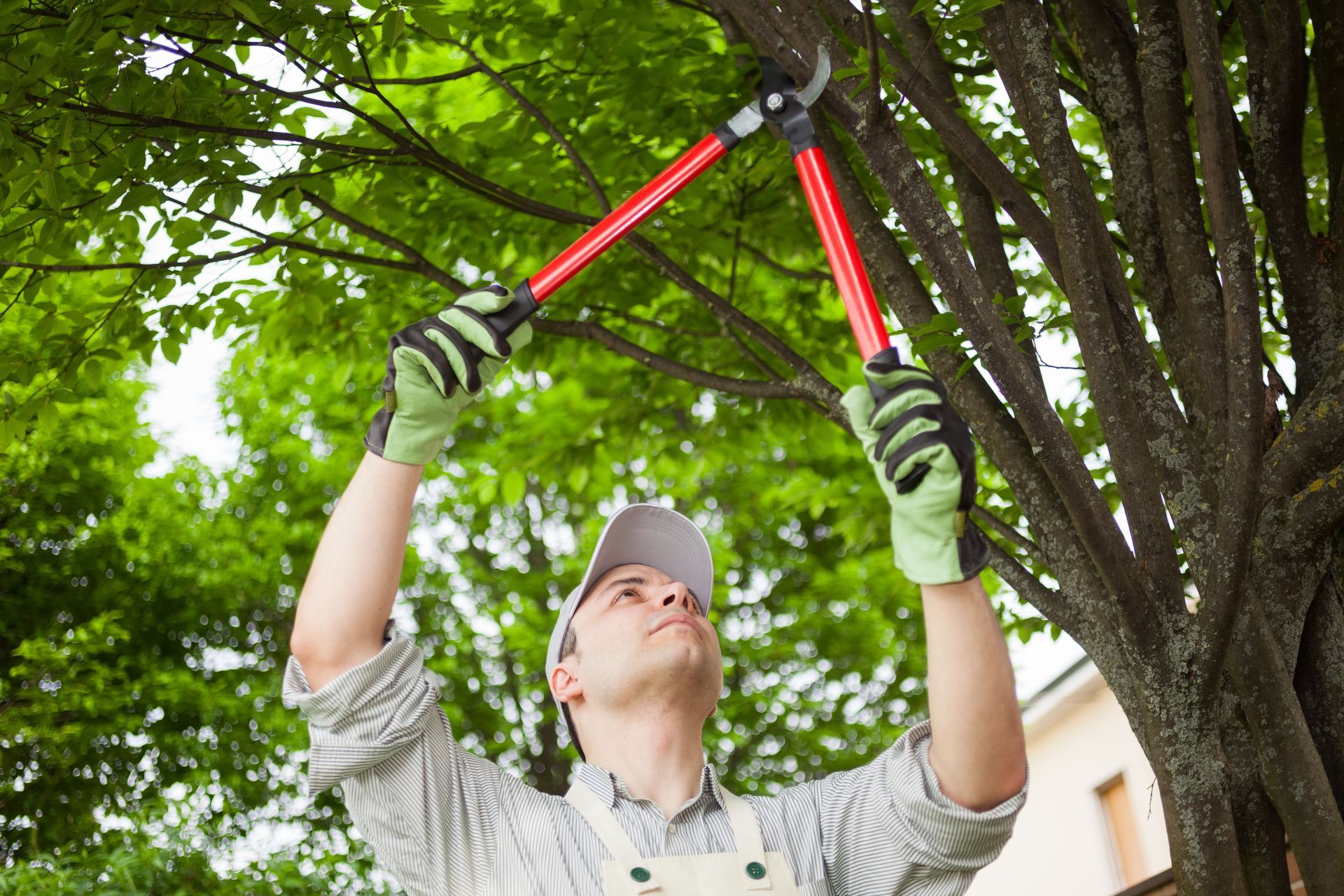
Trees add shade, structure, and natural character to a property, but keeping them healthy often requires more than occasionally removing an unwanted branch. Pruning decisions can affect a tree’s long-term growth, stability, appearance, and relationship with nearby structures. While minor trimming may appear straightforward, many situations involve risks that are difficult to recognize from the ground. Knowing when to contact an arborist can help property owners avoid unnecessary damage and make better decisions about tree care.
The distinction between routine trimming and professional pruning is especially important when trees are mature, damaged, difficult to access, or growing close to buildings and utilities. Tree work can quickly become complicated when heavy limbs, unstable wood, climbing, or specialized equipment are involved. Understanding these differences helps homeowners recognize which situations should be left to trained professionals rather than treated as ordinary yard maintenance.
Consider the Size and Height of the Tree
Tree size is one of the clearest factors separating simple maintenance from work that requires professional attention. Small, accessible growth can be very different from branches located high in the canopy of a mature tree. As height increases, so do the challenges associated with reaching branches, controlling their movement, and preventing falling material from damaging the surrounding property.
According to Home Advisor, trees ranging from 60 to 150 feet require specialized equipment for safe pruning, highlighting why professional arborists are important when working with large trees. At those heights, even seemingly modest branches can be heavy enough to cause serious damage when they fall. Accessing them may also require equipment and techniques that are not part of ordinary household landscaping.
Consider the Location and Surrounding Property
The location of a tree can make pruning significantly more complicated. A tree growing in an open area presents different challenges from one positioned beside a house, driveway, fence, shed, or neighboring property. Even when a branch looks manageable, the available space beneath and around it may leave little room for error.
Working with an arborist is often appropriate when the surrounding environment limits safe access or makes branch removal more complicated. Professionals can assess both the tree and the area around it before determining an appropriate approach. Instead of considering only which branches should be removed, they can account for structures, landscaping, access points, and other obstacles that could influence the work.
Consider the Condition and Stability of the Tree
Not every tree that needs pruning is structurally sound. Dead branches, cracks, cavities, decay, storm damage, and unusual leaning can indicate conditions that make tree work more unpredictable. A branch that appears stable from the ground may have weakened wood or a compromised attachment point that becomes apparent only during closer evaluation.
A professional arborist can examine visible warning signs and determine whether pruning is appropriate within the larger context of the tree’s condition. In some situations, the primary concern may not be appearance at all. Structural problems can require careful assessment before any branches are disturbed. Professional evaluation helps ensure that pruning decisions reflect the condition of the entire tree rather than focusing only on the most noticeable branch.
Consider the Purpose and Timing of the Pruning
Pruning is not simply a matter of making a tree smaller or removing branches that look inconvenient. Different pruning decisions can serve different purposes, including addressing damaged growth, improving clearance, managing structural concerns, or supporting an appropriate canopy form. Removing branches without understanding the objective can create problems that become more noticeable as the tree continues growing.
An arborist can evaluate why pruning is needed before determining which branches should be addressed. This is important because the most visually obvious solution is not always the healthiest one. Professional pruning focuses on making deliberate decisions that account for tree biology, structural needs, and the intended outcome rather than simply removing as much growth as possible.
Consider the Equipment and Access Requirements
The tools required for tree work can change considerably depending on branch size, height, location, and tree condition. Ground-level landscape maintenance is fundamentally different from work that requires climbing, elevated access, rigging, or controlled lowering of branches. Once specialized access becomes necessary, the risks and complexity increase substantially.
Hiring an arborist becomes particularly important when pruning cannot be completed safely from an accessible position. Professionals have experience evaluating how to reach difficult areas while accounting for branch weight and nearby obstacles. Their work is based on controlled access and informed decision-making rather than attempting to reach a problem area with equipment that may not be appropriate for the situation.
Consider the Risk of Property Damage
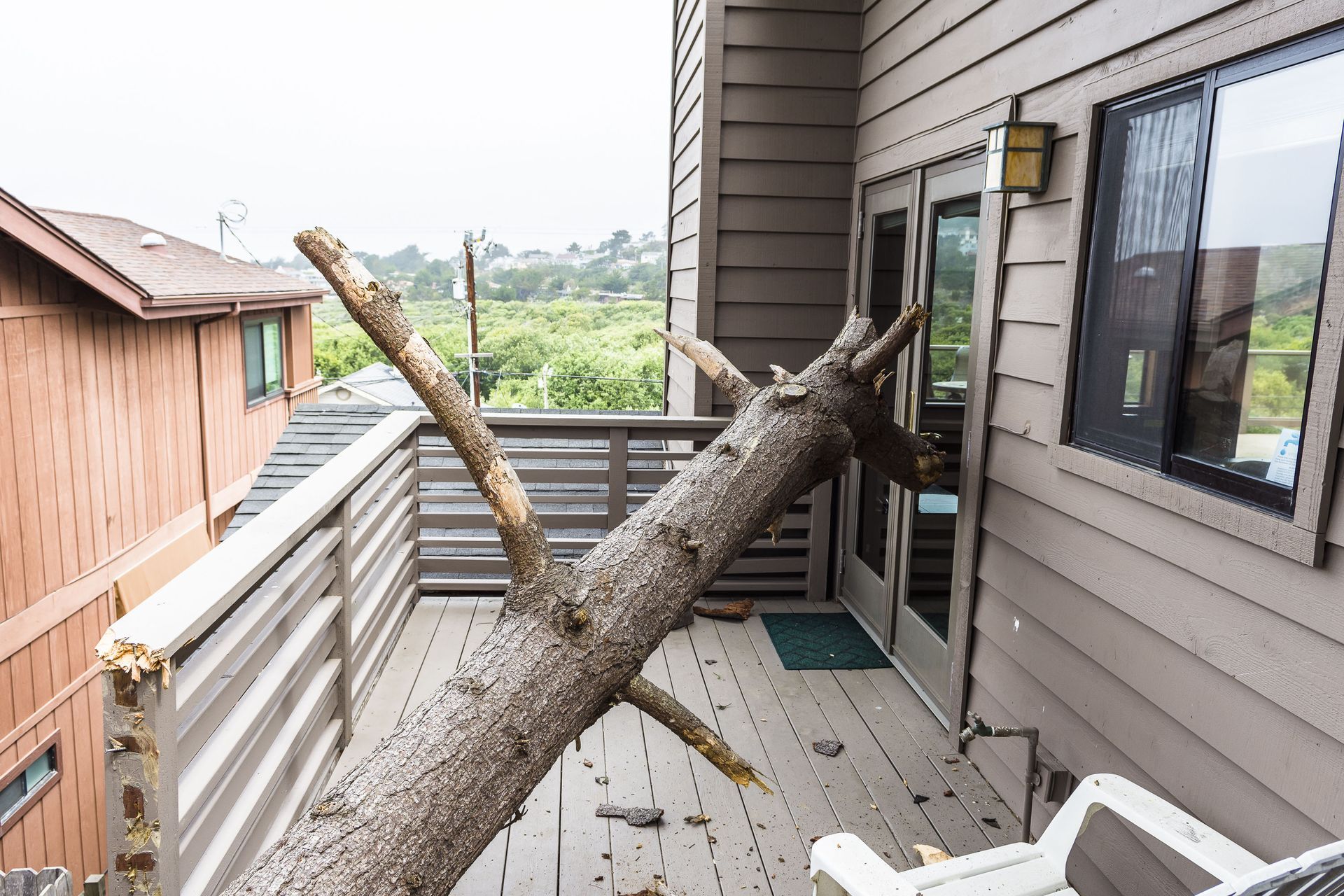
Tree branches can cause substantial property damage even when they do not appear especially large from the ground. Perspective can make elevated limbs look smaller than they actually are, and branches often contain considerably more weight than expected. Once detached, their direction of travel may also be influenced by neighboring branches, wind, or an uneven distribution of weight.
An arborist can consider these property risks before work begins. Professionals can evaluate where branches are located, what lies beneath them, and how removal may affect surrounding areas. This type of planning becomes increasingly valuable as branch size and proximity to structures increase. When the margin for error is small, professional involvement can reduce unnecessary exposure to avoidable property damage.
Consider the Long-Term Health of the Tree
Pruning affects more than a tree’s immediate appearance. Every branch removal changes the canopy and creates a wound that the tree must respond to over time. The location and extent of pruning can influence future growth patterns, structural development, and overall tree health.
Professional pruning considers what should remain as carefully as what should be removed. An experienced assessment can distinguish between branches that present legitimate concerns and growth that is simply part of the tree’s natural form. This helps property owners avoid treating pruning as a cosmetic process when the tree’s long-term condition should remain the priority.
Consider the Limits of Routine Property Maintenance
There is an important difference between ordinary property upkeep and work that involves substantial tree hazards. Homeowners regularly manage vegetation and landscaping, but familiarity with general yard maintenance does not necessarily translate into the knowledge required to assess mature trees. The challenge is recognizing when a task has moved beyond routine maintenance.
Warning signs include branches that cannot be reached safely from the ground, large limbs positioned over structures, visible cracking or decay, storm-damaged sections, and situations where the direction of a falling branch cannot be confidently controlled. These conditions introduce variables that make professional assessment more appropriate.
Choosing professional help is not simply about convenience. It is about matching the complexity of the work with the level of knowledge and equipment it requires. When pruning involves uncertainty about structural stability, access, branch weight, or the health of the tree, professional evaluation can provide a clearer understanding of the safest and most appropriate course of action.
Consider Professional Help for Complex Tree Care
The decision between routine trimming and professional pruning ultimately depends on the tree, its condition, and its surroundings. Tree size, branch location, structural stability, access requirements, nearby property, and long-term health all influence whether a task should be handled by trained professionals.
Property owners do not need to wait until a tree becomes an obvious emergency before seeking guidance. Early evaluation of questionable branches or structural concerns can help clarify whether pruning is necessary and what type of work may be appropriate. When the situation involves height, heavy limbs, damage, or limited working space, a professional arborist can provide the expertise needed to evaluate the tree as a complete living structure rather than as a collection of individual branches.
When tree maintenance requires professional knowledge and careful assessment, Alpine Tree Service Inc can help. We evaluate pruning needs with attention to tree condition, surrounding property, and long-term health. Our team can identify appropriate pruning solutions while accounting for the complexity of mature or difficult-to-access trees. Contact us to discuss your tree care needs and determine the appropriate approach for your property.