August 17, 2026
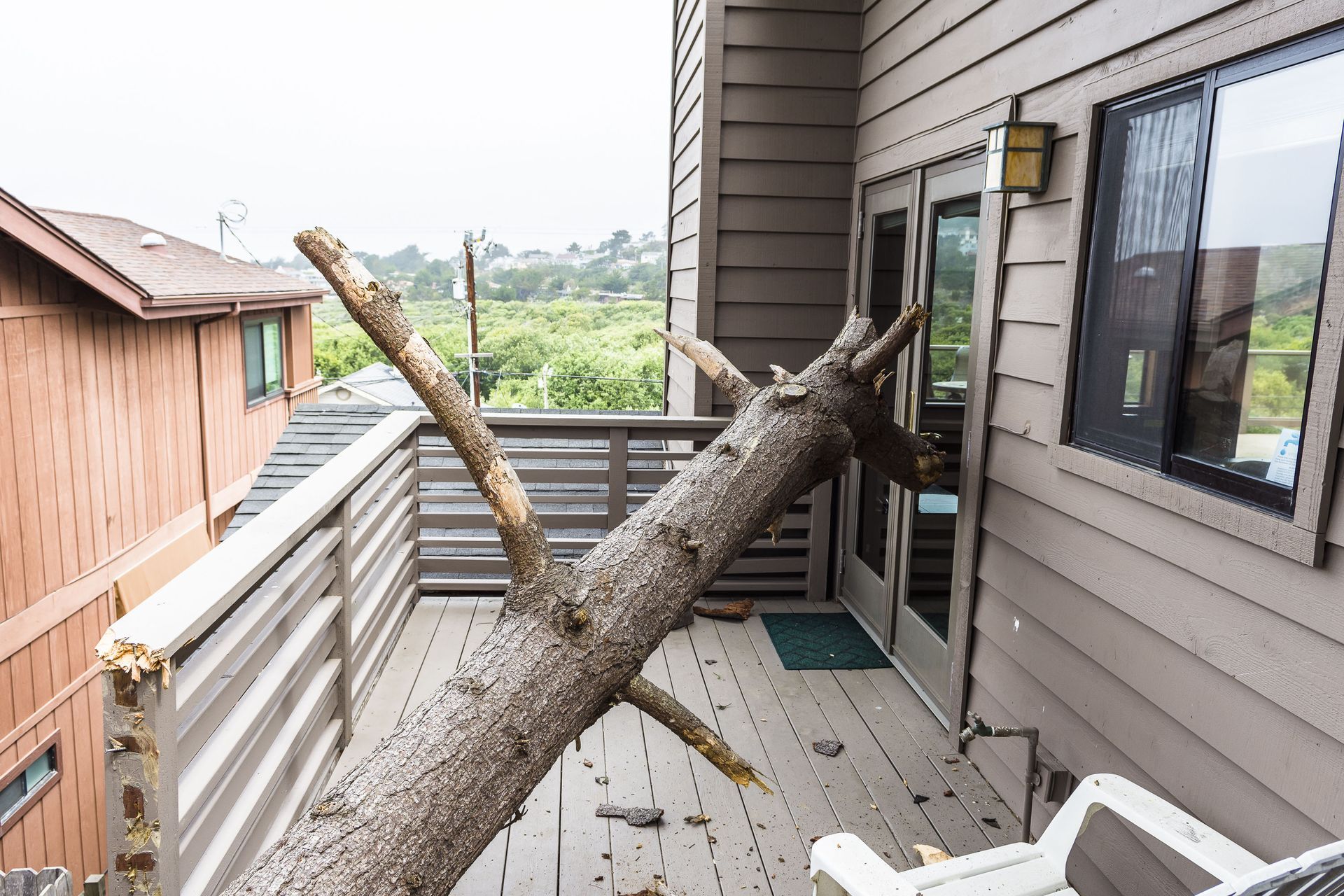
An unexpected event like a large tree crashing onto your roof can cause significant stress, anxiety, and damage. It is completely normal to feel overwhelmed, but it's important to stay calm and take the necessary steps to ensure safety and address the damage efficiently. This article will guide you through the essential protocol to follow after a tree has compromised your home. Understanding these procedures can significantly reduce your distress during such emergencies. Armed with the facts and a clear plan, this knowledge will assist you in making informed, confident decisions swiftly.
Evacuating the Immediate Premises
The immediate aftermath of a structural breach is fraught with danger, and your safety is the only thing that matters right now. You must prioritize an immediate evacuation to protect your family from potential harm. Once outside, move to a secure distance. After safely evacuating, conduct a quick but thorough check for injuries. Treat minor cuts with a first-aid kit and seek emergency medical help for serious conditions. Reassuring yourself and others that professional help is on the way is crucial for managing stress levels effectively.
Avoiding Dangerous Electrical Hazards
Damaged power lines pose significant risks following this scenario. Broken lines or exposed wires must be avoided at all costs to prevent electrocution. Mark the area around compromised electrical components as a hazard zone. Once major safety concerns are accounted for, secure the broader area by cordoning off large debris. Utilizing caution tape alerts others of danger and assists emergency responders in quickly identifying hazardous zones.
Maintaining a Safe Distance
Resist the urge to inspect the fallen timber closely to determine the extent of the damage, as its weight can shift unpredictably. Leave professional assessments to experts trained for such tasks. According to the National Arborist Association, about 20% of all tree service requests are emergency tree removal calls, indicating the frequency and seriousness of such incidents. Securing a safe distance until experts arrive ensures you remain unharmed from dangerous aftershocks.
Contacting Emergency Response Services
Instances that create immediate danger necessitate contacting 911. If anyone is injured or a fire risk exists, inform dispatchers immediately. A quick response ensures damage is contained. Furthermore, the fire department should be notified if downed wires or damaged gas lines elevate fire risks. They are equipped with the specialized tools needed to navigate high-risk scenarios, allowing for a comprehensive response to avert further danger.
Notifying Utility Companies Promptly
Contacting utility providers should be a priority if power lines are compromised. Prompt reporting ensures the quickest resolution to eliminate potential hazards, allowing technicians to perform necessary repairs. Additionally, keeping your neighbors informed is both courteous and strategic. They might face repercussions from the impact or offer assistance if displacement is necessary. Sharing information amplifies safety measures and maintains vigilance within the immediate vicinity.
Securing a Professional Assessment
Professional assessments ensure the inflicted damage is thoroughly and safely evaluated. An experienced arborist is adept at identifying structural integrity issues beyond normal comprehension. Their qualified insights guide necessary reparative measures and interim safety protocols. This evaluation also streamlines the insurance process, helping establish an accurate scope of needs post-incident without risking further harm to the property or residents.
Documenting the Visual Evidence
The significance of visual documentation is paramount. Photos serve as tangible evidence directly after the incident, aiding in representing the extent of damage for insurance. Capture comprehensive imagery encompassing various angles and close-ups. Note the specific position and angle of the collision, as this indicates underlying structural issues. Thorough documentation ensures no detail is overlooked when repairs eventually commence.
Logging Injuries and Communications
Maintaining a detailed log of injuries and displacement is crucial for any legal or insurance deliberations. Keep relevant medical records or housing receipts. Furthermore, document all interactions with authorities, including call logs and written notices. If feasible, gather testimonies from witnesses. A consulting arborist may also provide an expert testimony regarding the tree's failure, which can corroborate your account and bolster your insurance claims.
Understanding Your Insurance Coverage
Understanding your insurance policy's coverage is instrumental. Review your details, focusing on clauses linked to natural damages. This awareness allows you to approach claims confidently. When contacting your provider, arm yourself with all gathered documentation, visuals, and witness statements. A complete submission reduces processing times. Incomplete files might lead to claim denials, so a bolstered portfolio assists in a streamlined claims process.
Scheduling an Adjuster Visit
To substantiate claims, scheduling an insurance adjuster visit is necessary. Being present allows you to showcase critical points and discuss initial estimates. In consultation with your representative, discuss various coverage options to maximize your benefits. Address any identified gaps in real time. Additionally, clarify your deductibles and associated costs to aid in financial preparation, ensuring no daunting expenses catch you by surprise.
Selecting a Trusted Contractor
Choosing a reputable contractor is critical for efficient cleanup. Obtain multiple quotes to gauge average costs, checking for certifications and customer reviews. Ensure their team includes a certified arborist to safely manage the complex removal of heavy branches and debris. Familiarize yourself with the cleanup trajectory to facilitate transparency. Most services will outline a phased plan, setting clear expectations for dealing with remnants.
Reviewing Estimates and Timelines
Request comprehensive repair estimates and timelines from hired professionals to synchronize with personal plans. Understanding timeframes permits strategic planning for temporary housing. Confirm that your chosen contractor holds all required licenses and insurances to protect yourself from liability. Throughout the repair phase, monitor work progress attentively. Regular on-site visits help rectify missteps swiftly, ensuring that all completed deliverables match your original expectations.
Performing Regular Preventative Maintenance
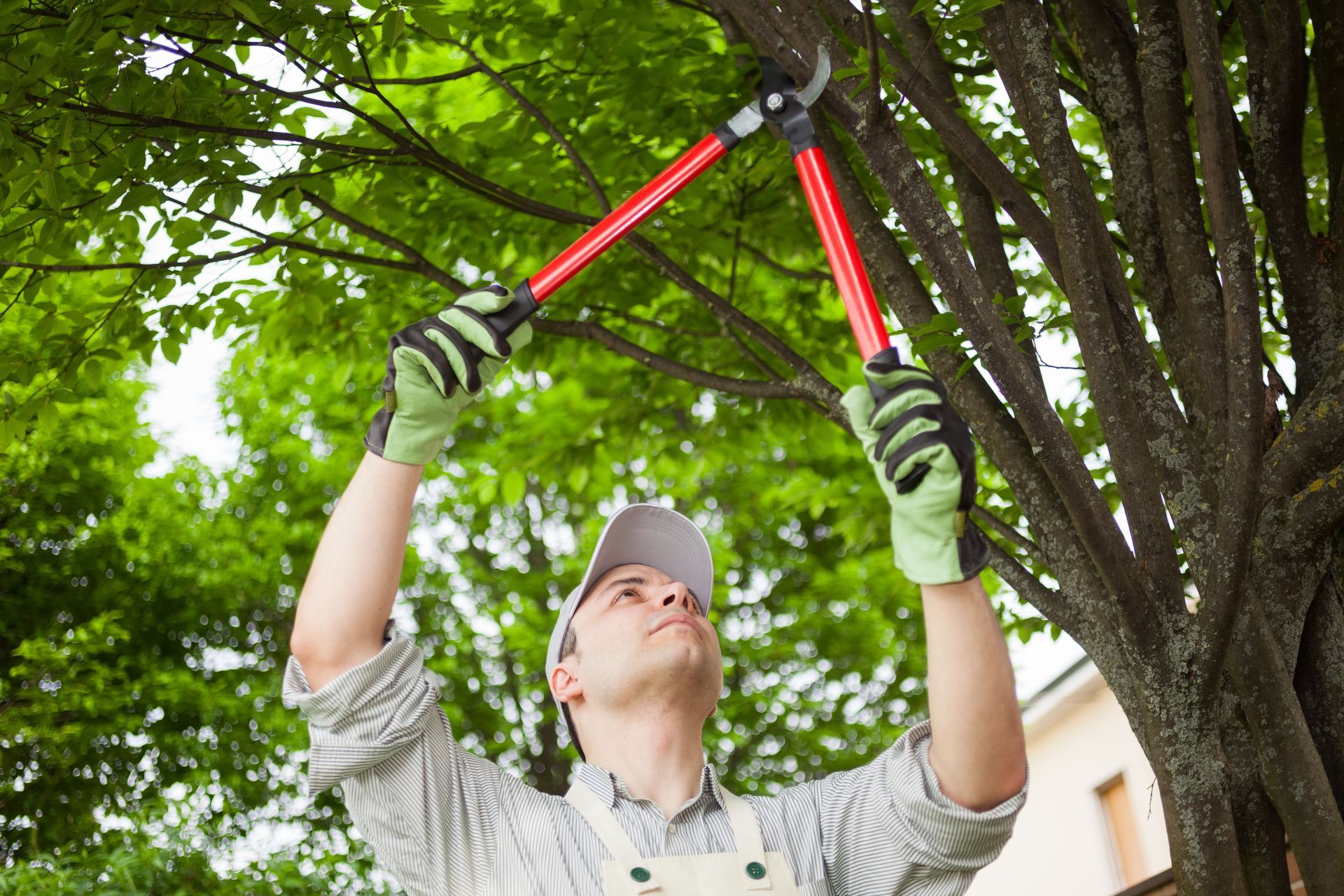
Future hazards can be minimized through routine maintenance. Periodic inspections ensure vulnerable issues are identified timely. Trimming overgrown branches or removing diseased parts reduces risks considerably. Hiring an arborist for regular assessments adds another layer of security and ensures healthy growth. Responsible, proactive care mitigates the likelihood of structural confrontations, safeguarding your home against future unpredictable weather events.
Identifying High-Risk Vulnerabilities
Identifying underlying vulnerabilities preemptively safeguards against unpredictable incidents. Indicators like dead branches, deep cracks, or severe leaning tendencies should immediately raise concerns. Have an arborist address these vulnerabilities promptly with specialist interventions to ensure stability. Additionally, installing protective barriers or employing strategic landscaping can reduce risk. These measures serve as both visual boundaries and structural defenses that impede potential impacts.
Leveraging Community and Coverage
Regular reviews of your homeowner's insurance ensure preparedness for future incidents. Aligning your coverage with evolving needs ensures optimal financial protection. Furthermore, leverage community resources as part of your protective strategy. Local councils or neighborhood watch initiatives often offer disaster readiness programs. Participating promotes an informed, united approach toward resilience, collectively strengthening your neighborhood's ability to handle unforeseen natural events.
Restoring Stability and Order
Experiencing structural damage to your home can feel incredibly daunting, but by taking immediate action and following the necessary steps, you can manage the situation effectively. Ensuring your family's safety, meticulously documenting damage, working closely with your insurance provider, and taking proactive preventative measures will help restore both your home and your peace of mind. A pragmatic and informed approach ensures that even amidst chaos, stability and order are gradually restored. Understanding environmental risk and mitigating future dangers form the cornerstone of dealing with natural adversities. Stay alert, informed, and resilient, knowing that a sound strategy can overcome formidable situations. For fast, reliable, and professional assistance during these critical moments, contact Alpine Tree Service Inc.