June 17, 2026
Trees add beauty, shade, and character to residential and commercial properties. They can improve outdoor spaces, support local wildlife, and contribute to a healthier environment. Like any living part of a landscape, trees need proper care throughout their lifespan. Working with a qualified arborist helps support tree health, safety, and long-term growth. This article explains why hiring a professional arborist is important and how their knowledge can benefit trees and the surrounding property. Trees are often among the largest and most noticeable features on a property. Their condition can influence both the appearance and function of outdoor spaces. Proper tree care involves more than addressing visible concerns. Ongoing evaluation can help support healthy development and identify issues before they become more serious.
Understanding Tree Health
Trees face many challenges as they grow. Weather conditions, insects, diseases, soil issues, and physical damage can all affect their condition. Some problems develop slowly and may not be immediately visible. An arborist is trained to evaluate tree health and recognize signs of concern. They can identify issues that may impact growth, stability, or appearance. Early evaluation often helps property owners better understand the condition of their trees and what steps may be appropriate moving forward.
Healthy trees can live for decades, and sometimes even centuries. Regular attention from an arborist can help support their continued development and overall condition. Tree health can vary significantly depending on species, age, and growing conditions. Factors such as soil quality, available space, and exposure to sunlight all play a role in overall development. Regular assessments provide valuable information about how a tree is responding to its environment and whether any concerns may be emerging.
Identifying Potential Risks
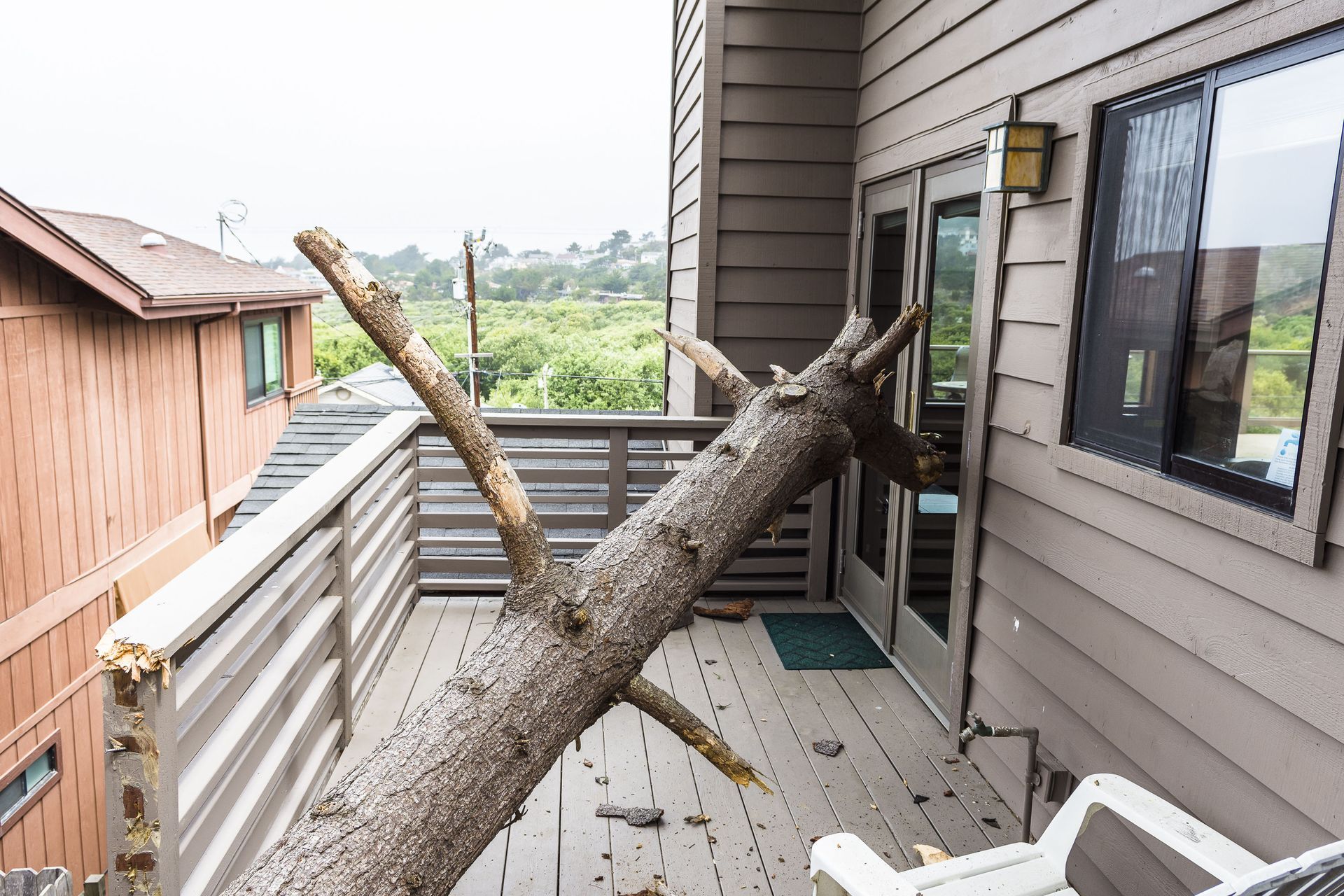
Trees can sometimes develop structural problems that create safety concerns. Weak branches, storm damage, decay, and root issues may increase the likelihood of failure. An arborist can assess trees for potential risks and determine whether action may be needed. This process involves examining the trunk, branches, roots, and overall structure of the tree.
Identifying concerns before they become larger problems can help reduce the chance of property damage or injury. Regular evaluations can also provide greater awareness of changing tree conditions over time. Some tree-related risks develop gradually over many years. Cracks, cavities, and declining root systems may not always be visible without a thorough evaluation. Monitoring these conditions on a routine basis can provide a better understanding of a tree's structural stability.
Managing Tree Growth
Tree growth is a natural process, but growth patterns can vary greatly between species and locations. Some trees grow rapidly while others develop more slowly. Environmental conditions also influence how trees mature. An arborist understands how different trees respond to their surroundings. They can evaluate growth habits and recommend appropriate care based on the tree's age, condition, and location.
Managing tree growth properly helps support structural development and can contribute to a more balanced appearance. Ongoing attention may also help trees adapt to seasonal changes and environmental stress. Growth management also helps trees coexist with nearby structures, roadways, and other landscape features. As trees mature, their needs often change. Periodic evaluations can help determine whether growth patterns remain healthy and balanced.
Protecting Property Value
Well-maintained trees often contribute positively to a property's overall appearance. Mature trees can enhance landscapes and create attractive outdoor environments. Trees that are unhealthy, damaged, or poorly maintained may have the opposite effect. Visible decline, dead branches, or structural concerns can impact how a property looks and functions.
An arborist can provide guidance that supports the long-term condition of trees throughout a property. Healthy trees can remain valuable landscape features for many years when they receive appropriate care and monitoring. Trees that are cared for throughout their lifespan often remain attractive landscape assets. Their presence can help create inviting outdoor areas and contribute to the overall character of a property. Maintaining healthy trees can also help preserve the visual appeal of the surrounding landscape.
Evaluating Tree Conditions
Not every tree issue is obvious from a quick visual inspection. Some problems develop internally and may not show clear signs until significant damage has occurred. An arborist uses established methods to evaluate tree conditions and determine whether concerns are present. This evaluation may include examining bark, leaves, branches, roots, and overall tree structure.
Understanding a tree's condition helps property owners make informed decisions about future care. It also provides a clearer picture of how a tree may respond to environmental changes and aging. Evaluations may reveal patterns that would otherwise go unnoticed. Changes in leaf color, bark condition, or branch growth can sometimes indicate developing issues. Understanding these signs can help property owners make decisions based on accurate information rather than assumptions.
Supporting Storm Preparedness
Strong winds, heavy rain, and severe weather can place significant stress on trees. Even healthy trees may experience damage during major storms. An arborist can assess trees before severe weather seasons and identify conditions that may increase vulnerability. Structural weaknesses, damaged limbs, and other concerns may become more noticeable during professional evaluations.
Preparing trees for changing weather conditions can support overall stability and help reduce the likelihood of storm-related issues. Regular assessments can also help track changes that occur after major weather events. Weather-related damage can sometimes affect trees long after a storm has passed. Broken limbs, weakened branch attachments, and hidden structural issues may become more noticeable over time. Continued monitoring can help identify these concerns and track changes in overall tree condition.
Recognizing Professional Qualifications
Professional credentials often demonstrate a commitment to industry standards and continuing education. According to the University of Minnesota Extension, a professional arborist should be certified through one or more international, national, or local organizations. Certification shows that an arborist has met specific requirements and maintains knowledge related to tree care practices. It can also provide property owners with added confidence when selecting a qualified professional to evaluate and care for trees.
When reviewing qualifications, it is helpful to look for current certifications, ongoing training, and experience working with a variety of tree species and conditions. A certified arborist is often committed to staying informed about current industry practices and developments within the field of tree care.
Preserving Long-Term Tree Health
Trees are long-living assets that benefit from consistent attention throughout their lifespan. Their needs may change as they mature, experience environmental stress, or recover from weather-related events. An arborist can monitor these changes and provide recommendations based on the tree's current condition. Regular evaluations help create a better understanding of how trees are developing and whether adjustments may be needed over time.
Long-term tree health often depends on identifying concerns early and responding appropriately. Continued monitoring helps support healthy growth and allows trees to remain an important part of the landscape. As trees age, their structure and growth patterns can change significantly. Periodic evaluations help document these changes and provide useful information about their overall condition. This long-term approach supports healthier landscapes and helps trees remain valuable features of a property.
Encouraging Environmental Benefits
Trees provide many environmental benefits that extend beyond individual properties. They contribute shade, improve air quality, provide wildlife habitat, and help create more attractive communities. When trees remain healthy, they are better able to continue providing these benefits over time. An arborist can help evaluate factors that influence tree health and overall vitality.
Supporting the condition of trees throughout a landscape can contribute to greener and more enjoyable outdoor spaces. Healthy trees often become valuable features that serve both current and future generations. Healthy trees contribute to more comfortable outdoor environments by providing shade and supporting local ecosystems. They also play a role in enhancing the appearance of parks, neighborhoods, and commercial properties. Maintaining tree health helps these benefits continue for many years.
Hiring a professional arborist is an important step in supporting tree health, evaluating potential risks, managing growth, and preserving the long-term value of trees. Their knowledge helps property owners better understand tree conditions and make informed decisions about care. If you are looking for guidance from a qualified arborist, contact Alpine Tree Service Inc today to discuss the needs of your trees and landscape.